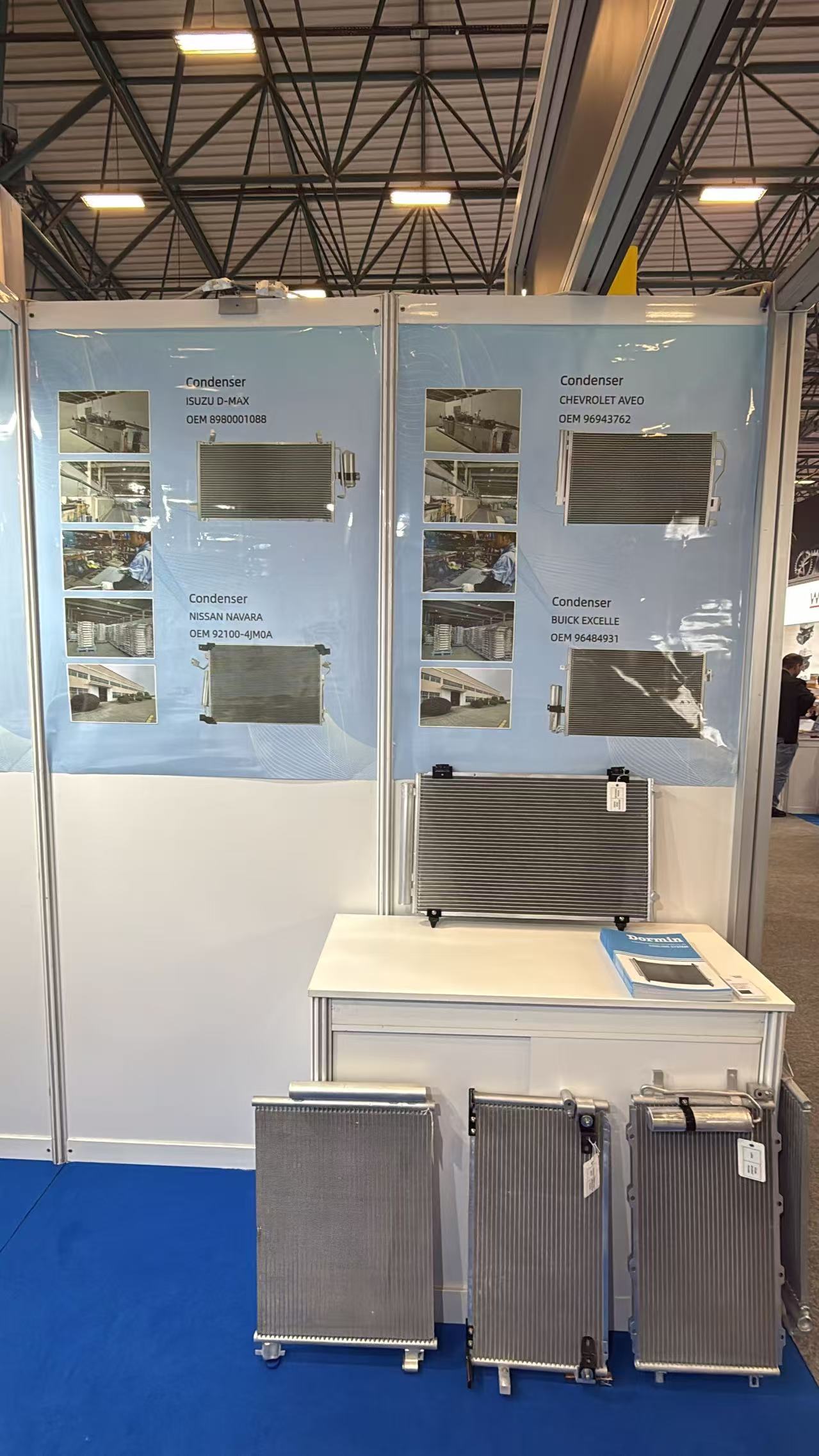
A new microchannel condenser design has been introduced to the commercial refrigeration market. Engineers have replaced traditional round tube-and-fin structures with flattened multi‑port tubes and louvered fins. The change significantly increases the surface area available for heat exchange while shrinking the overall component size.
The condenser is said to require far less refrigerant to operate effectively. This is a direct response to global regulations that aim to phase down high‑global‑warming‑potential refrigerants. By lowering the refrigerant charge, the new condenser also reduces the risk of leaks and makes system maintenance simpler.
Field tests in supermarket cold rooms and refrigerated warehouses show that the condenser maintains stable heat rejection even under high ambient temperatures. The microchannel core is made entirely of aluminum, which improves corrosion resistance and allows for a lighter assembly. Installers note that the unit is easier to handle and requires fewer brazed joints, which lowers the chance of weak points developing over time.
Several HVAC equipment makers have already started integrating this condenser into their new product lines. They report that the design works well with both variable speed compressors and fixed‑speed systems. The next step is to adapt the microchannel platform for residential air conditioners, where space is often limited. Industry observers believe this technology will become the new standard for heat rejection components in the coming years.
Previoussss:NO!